How Tapioca Pearls Are Made for Your Boba Drinks
Ask any boba fan what makes a great drink, and most will tell you the same thing: it's all about the pearls. Those soft, chewy, slightly sweet little spheres at the bottom of your cup are what turn a tasty tea into a true boba experience. When they're just right, every sip comes with a bouncy, satisfying bite.
But tapioca pearls are a little like magic. They start as a plain white powder and end up glossy, dark, and irresistibly chewy. In this post, we'll pull back the curtain on how tapioca pearls are made, how they're cooked, and why fresh pearls make such a big difference in your drink.
1. It All Starts with the Cassava Root
Tapioca pearls are made from tapioca starch, which comes from the cassava root, a starchy plant grown in warm climates around the world. The root is processed into a fine, silky white powder that becomes wonderfully stretchy and chewy when it meets hot water.
That unique texture is what makes tapioca perfect for boba. Unlike flour, tapioca starch turns soft and springy when cooked, giving pearls their signature bounce. Boba fans have a word for this texture: "QQ," which means pleasantly chewy.
Because tapioca starch is naturally gluten-free, the pearls themselves are a good fit for many diets. As always, ask about specific ingredients if you have an allergy or dietary need.
2. Making the Dough
The secret to tapioca dough is heat. Sugar is dissolved in water and brought to a boil, and then that hot liquid is mixed into the tapioca starch. The heat partly cooks the starch and turns it into a sticky, stretchy base. The rest of the starch is folded in and the dough is kneaded until it's smooth and soft, kind of like play dough.
Temperature really matters here. If the water isn't hot enough, the dough turns crumbly and won't hold together. If there's too much water, it gets too soft and the pearls can lose their shape when cooked. Getting the balance just right takes practice.
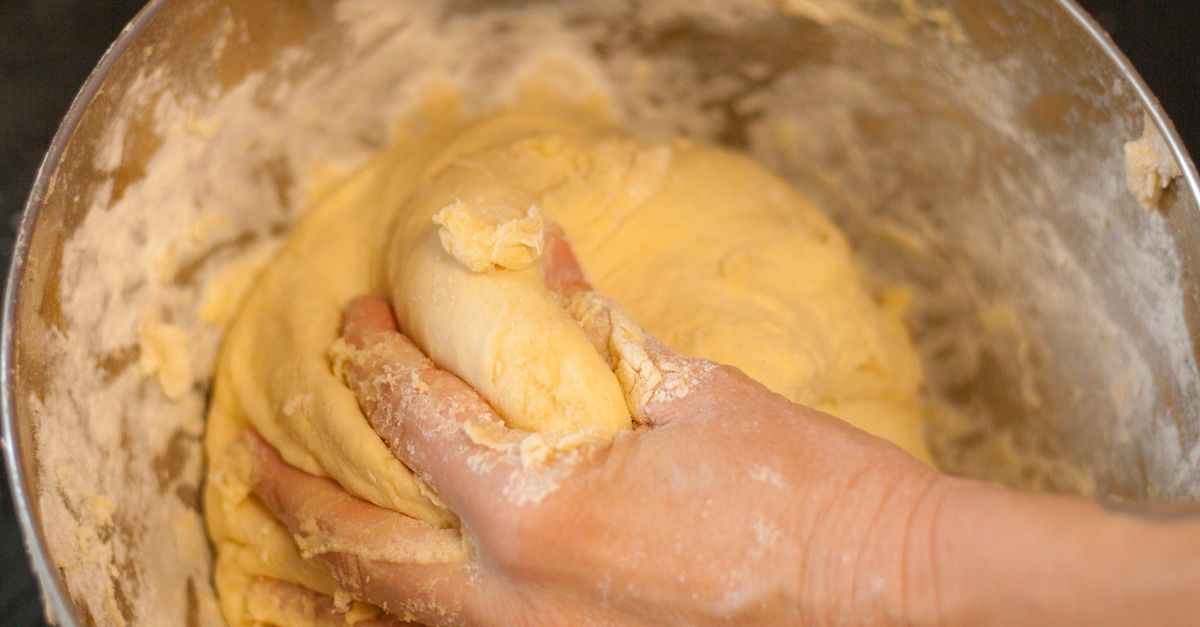
The type of sugar affects the color and flavor of the pearls. Dark brown sugar gives the classic deep brown color and a warm, caramel-like taste. White sugar makes lighter pearls, which can be colored or flavored with ingredients like matcha.
3. Rolling the Pearls
Once the dough is ready, it's rolled out, cut into tiny pieces, and rolled between the palms into small balls. Each pearl is then dusted with a little extra tapioca starch so they don't stick together.
Size matters more than you might think. Pearls that are too big won't fit through a boba straw, and pearls that are uneven cook unevenly. That's why most boba shops and trucks use pearls that are carefully made to a consistent size, so every one comes out perfectly soft.
Uncooked pearls can be dried or frozen, which is how many boba businesses keep a steady supply on hand. When it's time to serve, they go straight into boiling water.
4. Cooking Tapioca Pearls
Cooking is where tapioca pearls transform. They go into a big pot of rapidly boiling water and get stirred right away so they don't stick to the bottom. At first they sink, then they float to the top as they start to cook.
Depending on their size, pearls simmer for a good while until they turn soft and mostly translucent. Then they rest, covered, so the centers finish cooking all the way through without the outsides getting mushy. Finally, they're rinsed in cool water to stop the cooking and keep them from clumping.
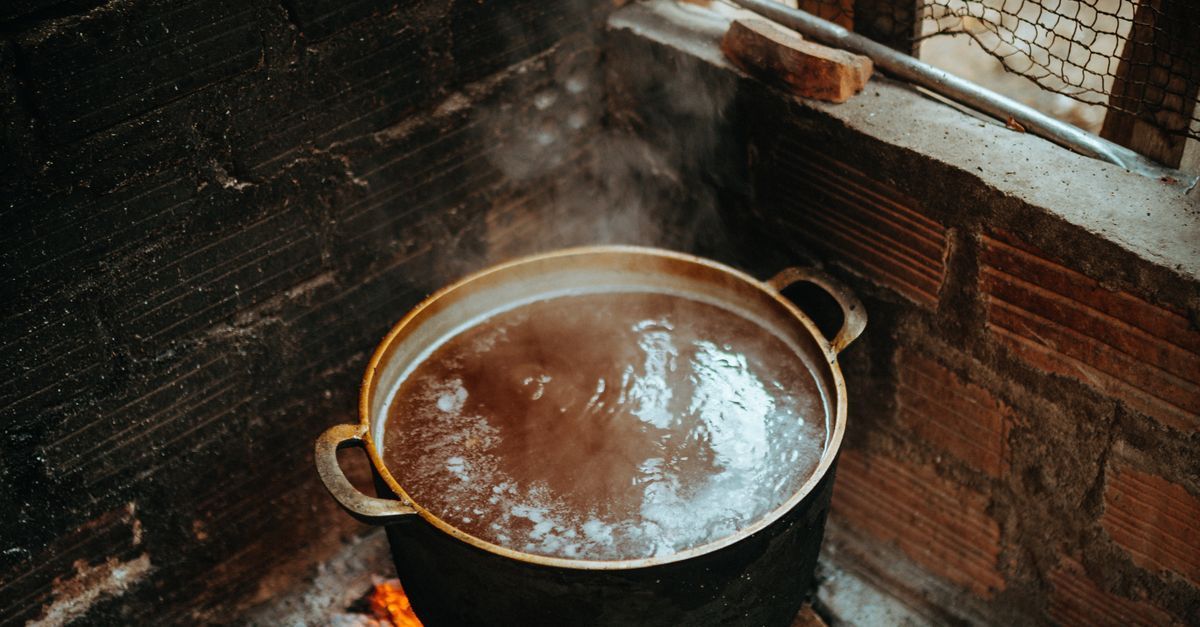
Undercooked pearls have a hard, chalky center, and overcooked pearls get gummy and fall apart. The goal is that perfect middle: soft all the way through, with a gentle chew.
5. The Brown Sugar Soak
Here's the step that takes pearls from good to great. After cooking, the pearls are tossed in a warm brown sugar syrup. They soak up that rich, caramel flavor and get a beautiful glossy shine.
This syrup is also what creates the famous "tiger stripes" you see in brown sugar boba drinks. The syrup is swirled around the inside of the cup before the milk and ice go in, making those gorgeous streaks down the sides.
6. Why Fresh Pearls Matter
Cooked tapioca pearls are at their best within a few hours. Over time they start to firm up and lose that soft, bouncy texture, especially if they get cold. That's why good boba spots cook pearls in batches and keep them warm, rather than making a big batch to last all day.
At Big Time Boba, we want every cup to have pearls that are soft, chewy, and full of flavor, whether we're serving at a festival in Lake Wylie or a birthday party in Charlotte.
Frequently Asked Questions
What are tapioca pearls made of?
Tapioca pearls are made from tapioca starch, which comes from the cassava root, mixed with hot water and sugar. Brown sugar gives them their classic dark color and caramel flavor.
Are tapioca pearls gluten-free?
Tapioca starch is naturally gluten-free. Ingredients and toppings can vary, so always ask if you have an allergy or dietary need.
Why are some boba pearls hard in the middle?
Hard centers usually mean the pearls were undercooked or have sat too long after cooking. Fresh, properly cooked pearls should be soft all the way through.
How long do cooked tapioca pearls stay fresh?
Cooked pearls taste best within a few hours. After that, they start to firm up and lose their chewy texture, which is why fresh batches make such a difference.
Why are boba straws so wide?
Boba straws are extra wide so the pearls can come up with each sip. Take small sips and chew as you go. Young children should be supervised while enjoying boba.
Can I get a drink without pearls?
Absolutely! You can enjoy any drink without toppings, or try another option like fruit jelly or popping boba.
Taste the Difference
From cassava root to chewy pearl, a lot of care goes into every spoonful of boba. When the pearls are cooked right and soaked in sweet brown sugar syrup, they turn an ordinary drink into something special.
Want to taste it for yourself? Follow us on Facebook to find the Big Time Boba truck, or book us for your private event.
Recent Posts